Iraq's World Cup 2026 Hopes Threatened by Middle East Crisis
The dream of reaching the FIFA World Cup 2026 burns brighter than ever for the Iraqi national football team, but their long-awaited qualification campaign faces unprecedented turbulence. After decades of anticipation and near misses, the "Lions of Mesopotamia" are on the cusp of ending their profound
Iraq World Cup wait, with a crucial play-off match determining their fate. However, the ongoing Middle East crisis has cast a long shadow, severely disrupting preparations and threatening to derail what could be one of the most significant moments in Iraqi sporting history. This isn't just about football; it's about national pride, unity, and a beacon of hope in challenging times.
A Dream Deferred? The Geopolitical Shadow Over Iraq's World Cup Bid
For a nation as passionate about football as Iraq, the prospect of returning to the World Cup stage – last achieved in 1986 – is more than just a sporting ambition; it's a profound national yearning. The current generation of players, under the guidance of Australian coach Graham Arnold, has shown immense promise, navigating the initial qualification rounds with determination. Yet, as their winner-take-all play-off match in Monterrey, Mexico, on March 31 draws near, external forces beyond their control threaten to undermine their meticulously planned campaign.
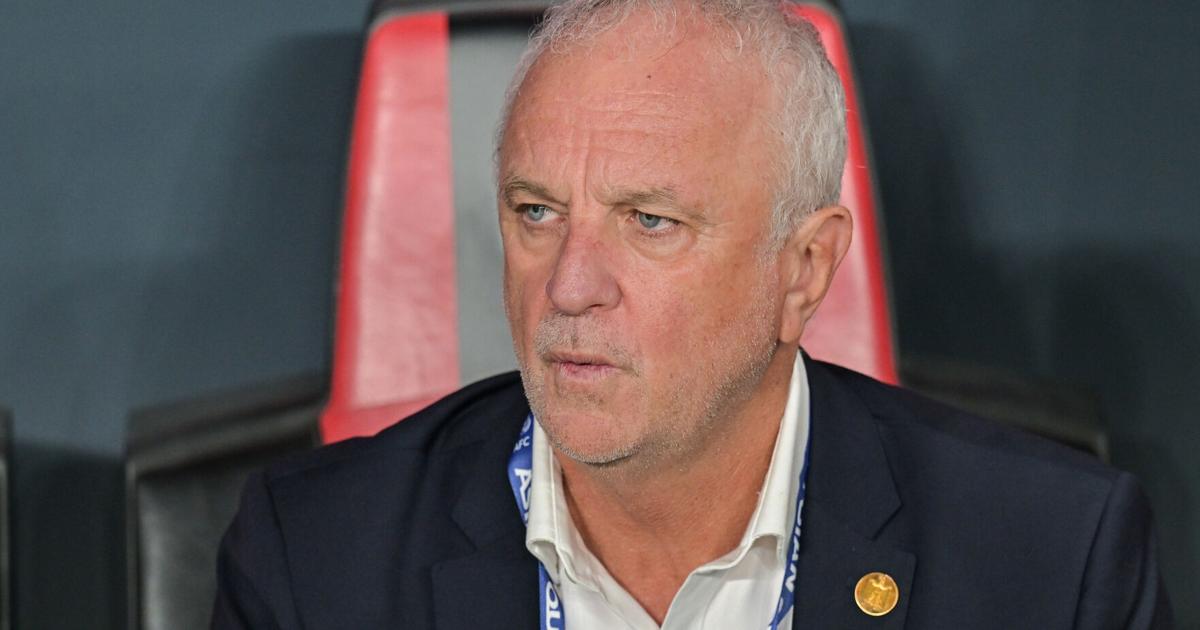
The most immediate and pressing concern stems from the complex geopolitical situation in the Middle East. Airspace closures, a direct consequence of regional instability, have effectively grounded head coach Graham Arnold in the UAE. This isn't merely an inconvenience; it represents a fundamental breakdown in critical pre-match preparations. A coach's physical presence is vital for everything from tactical sessions and team cohesion to motivational talks and addressing individual player needs. His inability to link up with the squad just weeks before such a pivotal fixture can profoundly impact the team's readiness and confidence.
Beyond the coach's predicament, the crisis has triggered a cascade of logistical nightmares. Several embassies in the region remain closed, creating immense obstacles for players, technical staff, and medical personnel attempting to obtain necessary entry visas to Mexico. Imagine being a professional athlete, dedicating years to reaching this peak, only to find your participation jeopardized by bureaucratic hurdles stemming from geopolitical turmoil. The Iraqi Football Association (IFA) has been forced to seek urgent reassurances and assistance from FIFA and the Asian Football Confederation (AFC), highlighting the gravity of the situation. They are battling not just opponents on the pitch, but an unseen adversary of travel restrictions and administrative blockades. These challenges underscore the immense pressure and uncertainty faced by the team, prolonging the agonising
Grounded Coach, Visa Woes: Iraq's World Cup Wait Continues, and making their journey to the World Cup feel like an uphill battle before it even begins.
High Stakes in Mexico: The Path to North America 2026
Despite the turmoil, the focus remains firmly on the objective: victory in Mexico. Iraq will face either Suriname or Bolivia, who are scheduled to play their qualifying encounter five days earlier, on March 26. This one-off match against a CONCACAF or CONMEBOL opponent presents a unique tactical challenge. Both Suriname and Bolivia bring different styles of play and physical demands compared to Iraq's usual Asian rivals. Preparing for either scenario requires adaptability, strategic planning, and, crucially, a fully integrated coaching staff.
The prize for overcoming these hurdles is monumental. Should Iraq emerge victorious, they will take their place in Group I of the FIFA World Cup 2026 finals in North America. This group, drawn last December, is arguably one of the toughest, featuring footballing giants France, African powerhouse Senegal, and a strong European contender in Norway. While the prospect of facing such formidable opposition might intimidate some, it also presents an unparalleled opportunity for the "Lions of Mesopotamia" to test their mettle against the very best on the global stage. For Iraqi fans, merely reaching this stage would be a monumental achievement, a testament to resilience and an end to their extended
Iraq World Cup wait. The difficulty of the group, rather than being a deterrent, could instead be a source of motivation, offering the chance for memorable upsets and a platform to showcase their talent to the world.
Unwavering Spirit: Arnold's Vision and the Nation's Hope
Amidst the swirling uncertainty, the unwavering confidence of coach Graham Arnold stands out. Despite being physically separated from his squad, his message relayed through official channels has been one of defiance and belief. He dismisses the notion of Group I being a "group of death," instead framing it as an exciting challenge. "Some people may say that France, Norway and Senegal is the group of death. I say let’s go for it," Arnold declared. His philosophy is clear: the pressure lies squarely on the shoulders of the traditional footballing giants. "All the pressure is on France to win it, the pressure’s on Norway and Senegal to get through – the pressure is not on Iraq," he asserts.
This psychological approach is critical. By externalizing the pressure, Arnold aims to free his players to perform without fear, to embrace the underdog role, and to truly believe they can "shock the world." His vision extends beyond just qualifying; it's about making an impact once they get there. "I don’t care what anyone says, there’s nothing better than going to a World Cup. When we’re there, we’ve got nothing to lose so we’re going to play without fear, shock the world and enjoy it while we’re doing it." This ethos is not only inspiring for the players but also resonates deeply with the Iraqi people, for whom football often serves as a powerful symbol of national resilience and hope.
The challenges are immense, but so is the potential reward. For a nation that has endured so much, the prospect of their football team achieving this historic feat provides a profound sense of unity and joy. The spirit of the players, fueled by the hopes of millions, will be crucial in overcoming these unprecedented obstacles. It is this indomitable spirit, coupled with Arnold's strategic insights, that will ultimately define
Iraq's Play-off Destiny: Arnold Aims to Shock the World.
Overcoming Adversity: The Road Ahead
The situation demands an extraordinary level of adaptability and mental fortitude from the Iraqi squad. With their coach grounded and key personnel facing visa issues, the players must rely on their professional discipline, the groundwork already laid, and the leadership within the team. This period will test their resilience, their ability to stay focused amidst distraction, and their capacity to perform under immense psychological strain. It's a testament to the power of football that despite these external pressures, the dream of the World Cup remains a potent motivator.
The IFA's diplomatic efforts with FIFA and the AFC are crucial. They need to secure all possible assistance to mitigate the impact of the crisis – whether through expedited visa processes, alternative travel arrangements, or special considerations for their preparations. This isn't just about fairness; it's about ensuring that a deserving team has every opportunity to compete for a place in football's biggest spectacle. The global football community has a role to play in supporting nations facing such unique challenges.
For the fans, the message is clear: support and unwavering belief are more important than ever. The journey to the World Cup is rarely easy, but for Iraq, it has become an odyssey marked by geopolitical complexities. Every cheer, every message of encouragement, serves to fuel the team's determination to end the long
Iraq World Cup wait.
The coming weeks will be a true test of character for Iraq's national team. While the Middle East crisis has undeniably threatened their World Cup 2026 hopes, it has also highlighted the team's resilience and the profound significance of football to the nation. With a crucial play-off match on the horizon, the Lions of Mesopotamia face not just a sporting challenge, but a battle against adversity itself. Should they succeed, it will be a victory far grander than any on the pitch – a symbol of hope, unity, and an end to a decades-long
Iraq World Cup wait, etched into the annals of football history. The world watches, not just for the outcome of a match, but for the triumph of the human spirit.